Introduction
In the world of emergency situation response, few abilities are as crucial and impactful as Cardiopulmonary Resuscitation (CPR). The Most Up To Date Mouth-to-mouth Resuscitation Standards in Australia: Remaining Updated on Best Practices is a detailed take a look at exactly how individuals can furnish themselves with the understanding and abilities essential to save lives. As we look into the intricacies of these standards, we will certainly check out various aspects of mouth-to-mouth resuscitation, including its significance, methods for various age groups, the use of Automated External Defibrillators (AEDs), and the relevance of remaining present with accreditation requirements.
With abrupt heart attacks happening suddenly and typically unfortunately, comprehending mouth-to-mouth resuscitation not https://elliotochg375.iamarrows.com/the-advantages-of-taking-an-online-first-aid-course-in-brisbane only boosts personal preparedness however likewise fosters area durability. This write-up aims to give an alternative sight of the most up to date developments in mouth-to-mouth resuscitation techniques within Australia while attending to usual questions bordering this life-saving technique.
Understanding CPR: A Lifesaving Technique
What is CPR?
Cardiopulmonary Resuscitation (CPR) is an emergency situation treatment carried out when somebody experiences heart attack. It involves chest compressions and, in some cases, rescue breaths to maintain blood flow and oxygenation until specialist clinical help shows up.
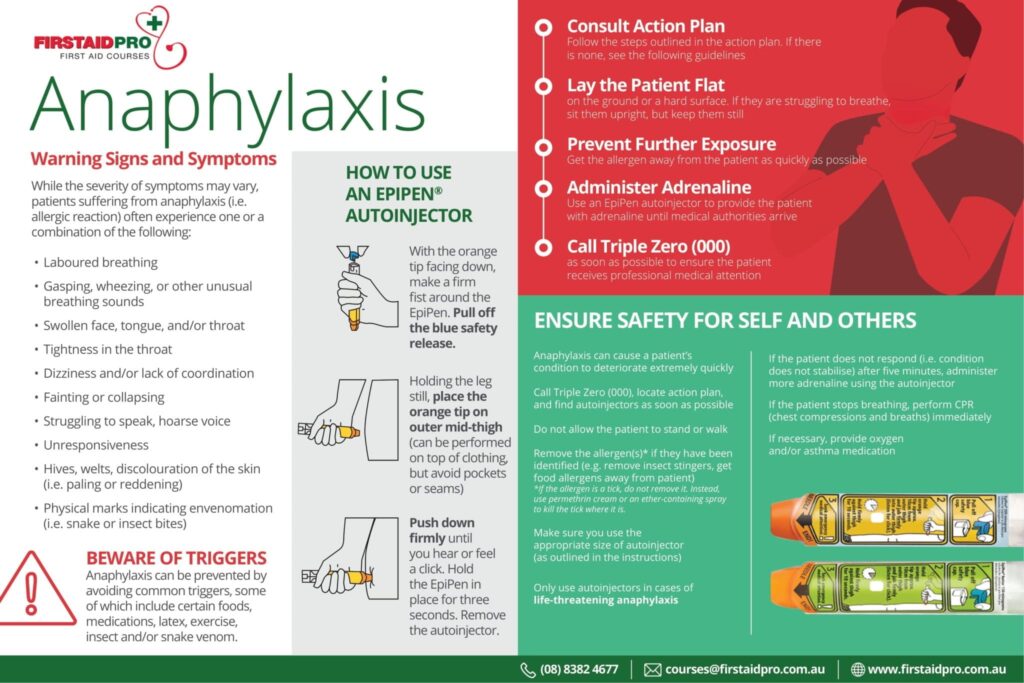
The Relevance of CPR in Conserving Lives
CPR substantially increases the possibilities of survival for people experiencing cardiac arrest. According to statistics, prompt CPR can increase or triple a person's opportunity of survival. Considered that many out-of-hospital heart attacks occur in the house or public areas, having actually more individuals learnt CPR can result in greater success rates.
The Latest CPR Standards in Australia: Remaining Updated on Ideal Practices
Key Parts of Efficient CPR
Compression Depth and Rate- The recommended compression depth for grownups has to do with 5-6 centimeters deep at a price of 100-120 compressions per minute. Incorrect compression depth can substantially reduce blood circulation and effectiveness.
- For adults, concentrate on breast compressions alone if you are untrained or unsure. Trained individuals must provide rescue breaths after every 30 compressions.
- AEDs are essential tools that can recover regular heart rhythm during a cardiac arrest. Knowing how to use an AED effectively is necessary for anybody performing CPR.
Age-Specific Standards for CPR
Adult CPR Techniques
- Focus on high-quality breast compressions.
Child and Infant mouth-to-mouth resuscitation Techniques
- Adjust compression deepness and proportion according to age. Use two fingers for babies (under one year) and one hand for youngsters (ages 1-8).
Special Situations Requiring Distinct Approaches
CPR for Drowning Victims- Emphasize rescue breaths earlier than in normal situations since sinking sufferers typically experience hypoxia.
- Understanding specific methods customized for professional athletes can be crucial for prompt intervention.
Household Readiness: Preparing Your Family
Creating a Family Emergency situation Plan
- Discuss emergency situation procedures with all household members.
Gathering Essential Equipment
- Keep an emergency treatment package useful together with an AED if possible.
CPR Accreditation Requirements in Australia
How Long Does a CPR Certification Last?
Most certifications need renewal every three years; however, it's constantly important to stay updated frequently through local mouth-to-mouth resuscitation classes or online qualification options.
Where Can You Get Your Certification?
Numerous companies offer both in-person and online courses throughout Australia.
Utilizing Online Resources for Certification
Benefits of Online CPR Certification
- Flexible timetables allow participants to find out at their very own pace.
Reputable Sources for Online Courses
Look for recognized establishments like St John Rescue or Red Cross Australia supplying extensive on the internet training modules.
Common Mistaken beliefs Regarding CPR
" CPR Constantly Reboots the Heart": Myth vs Reality
While effective early intervention raises chances of survival, it is very important to comprehend that not every effort at resuscitation will be successful.
Statistics Showing Australia's Requirement for Preparedness
CPR Success Price Statistics in Australia
Research shows that prompt spectator intervention can increase survival prices by as much as 40%.
FAQs
What must I do if I witness somebody collapse?
Immediately call emergency solutions and begin doing top notch breast compressions until aid arrives.
First Aid Courses CanberraHow do I recognize if somebody requires CPR?
Look for indications such as unresponsiveness or lack of breathing; if uncertain, it's better to begin compressions immediately.

Is there a difference in between adult and child/infant CPR?
Yes! The strategies differ primarily worrying compression depth and breath ratio; refer to age-specific guidelines accordingly.
Can I do mouth-to-mouth resuscitation throughout COVID-19?
Current guidelines suggest focusing entirely on chest compressions during pandemics unless you learn otherwise.
How often should I rejuvenate my skills?
It's a good idea to rejuvenate your skills every 12 months even if your accreditation lasts three years due to possible modifications in guidelines.
li25/ol6/hr3hr3/##
Conclusion
Staying informed regarding The current CPR Standards in Australia: Staying Updated on Ideal Practices is crucial not only for personal safety and security but also for area welfare. By comprehending proper methods-- whether employing sophisticated resuscitation skills or making use of an AED correctly-- people can considerably enhance results throughout emergency situations. Education and learning does not stop with certification; continual practice ensures preparedness when secs count most. Whether you're taking neighborhood courses or going with on the internet resources, make it your goal today-- because every second could indicate conserving a life tomorrow!
